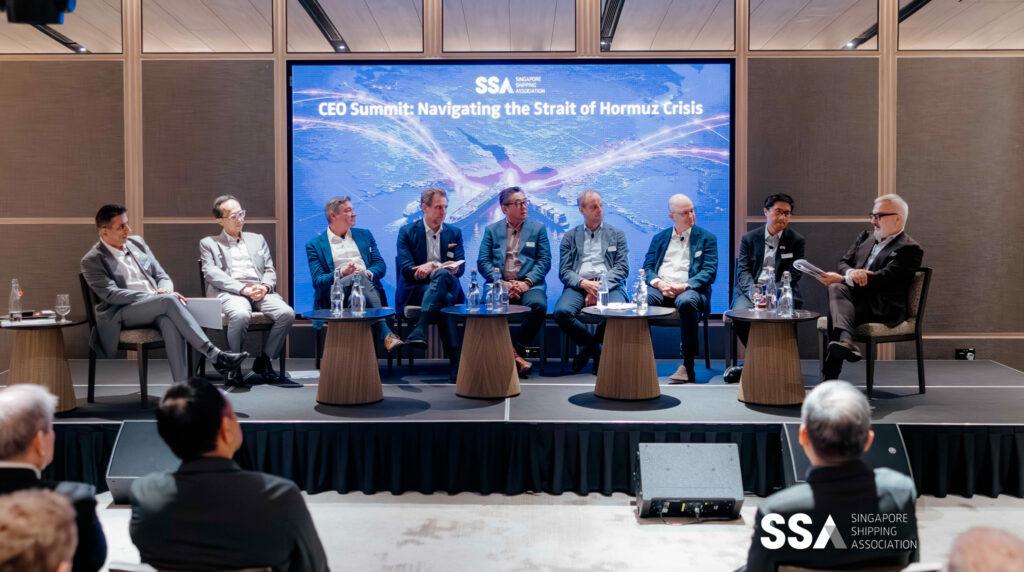
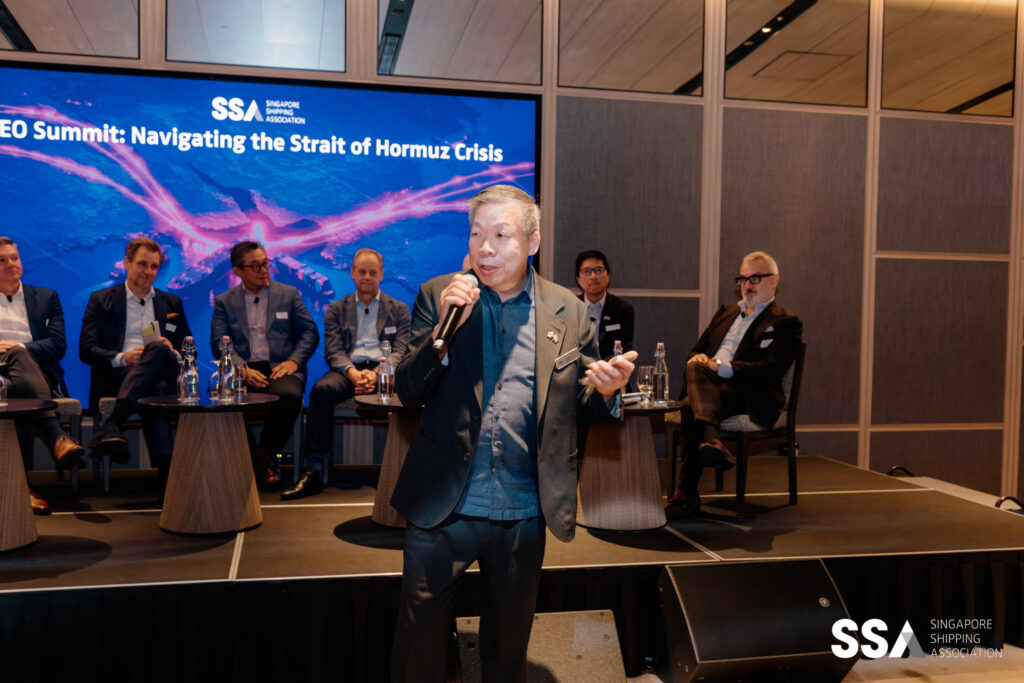
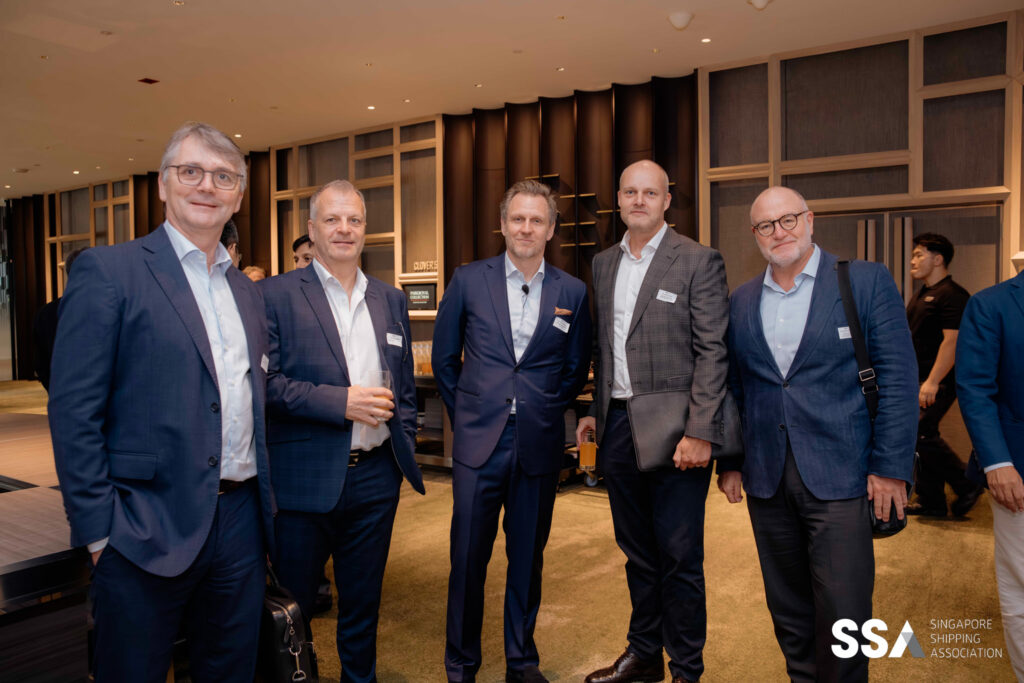
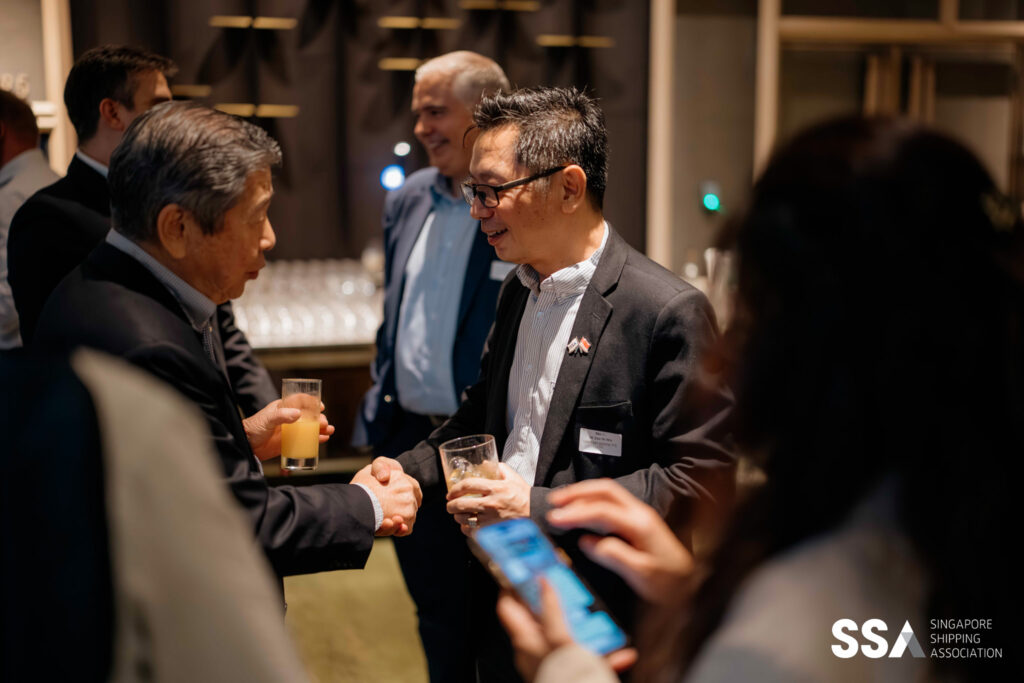
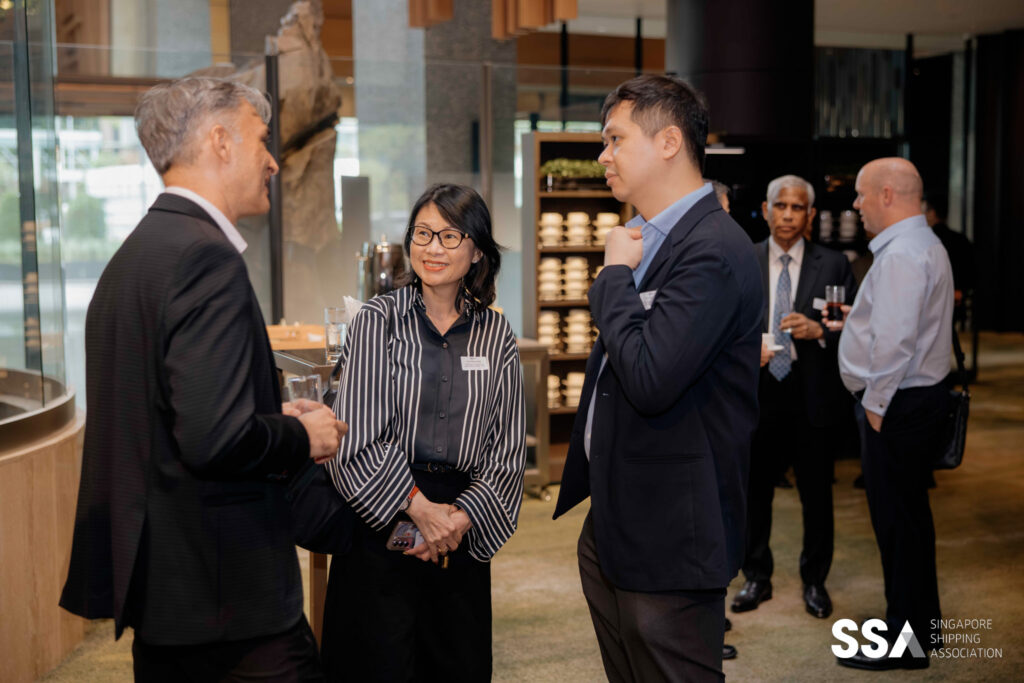
Against the backdrop of the Strait of Hormuz crisis, senior maritime leaders convened at the CEO Summit: Navigating the Strait of Hormuz Crisis organised by the Singapore Shipping Association. The session examined how shipping, insurance and global supply chains function in a highly volatile environment, both in the immediate and longer-term.
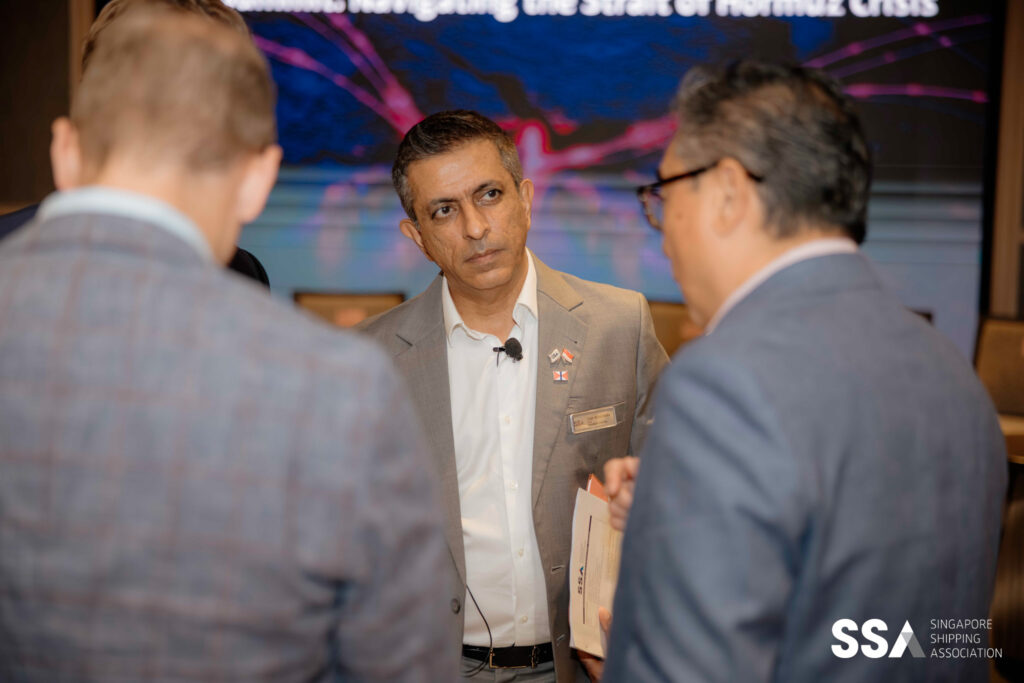
The exclusive, closed-door dialogue was curated and moderated by Chair of the International Committee Capt. Kunal Nakra. Capt. Kunal is also the General Manager, Safety Governance and Performance at Swire Shipping Pte Ltd.
The session provided a timely platform for focused discussions on the response to heightened risks, operational uncertainty, and rapidly evolving geopolitical developments. With one of the world’s most critical waterways under renewed strain, CEOs are being forced to make rapid decisions with the responsibility to protect seafarers, vessels and cargo while balancing commercial pressures.
Perspectives From Various Shipping Sectors
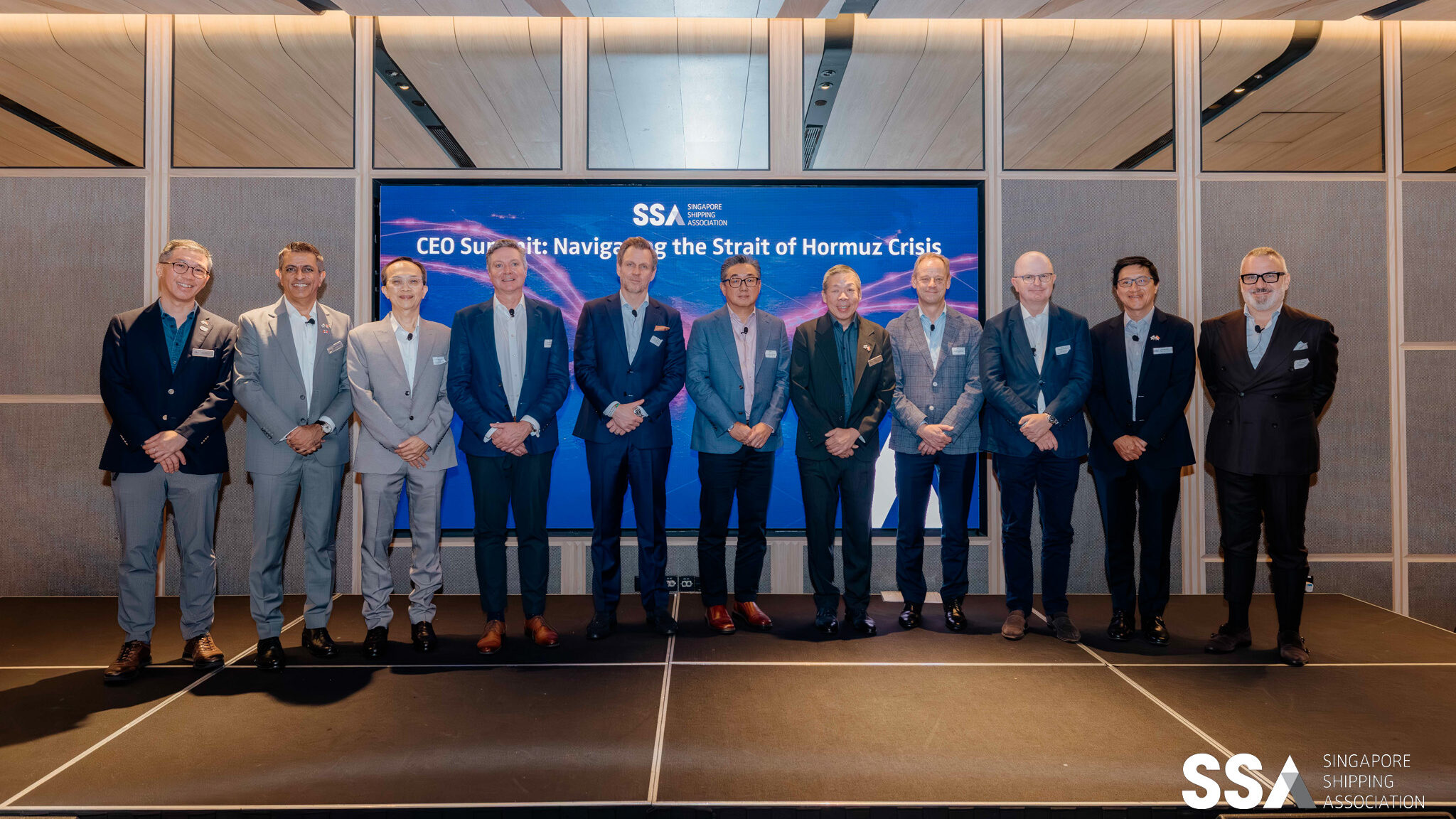
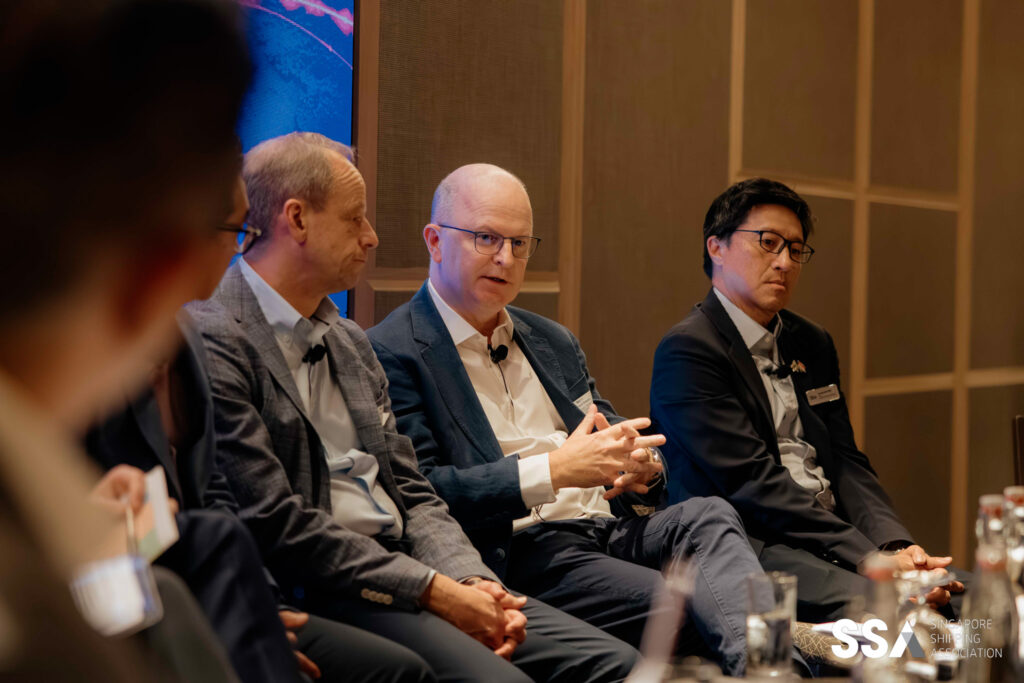
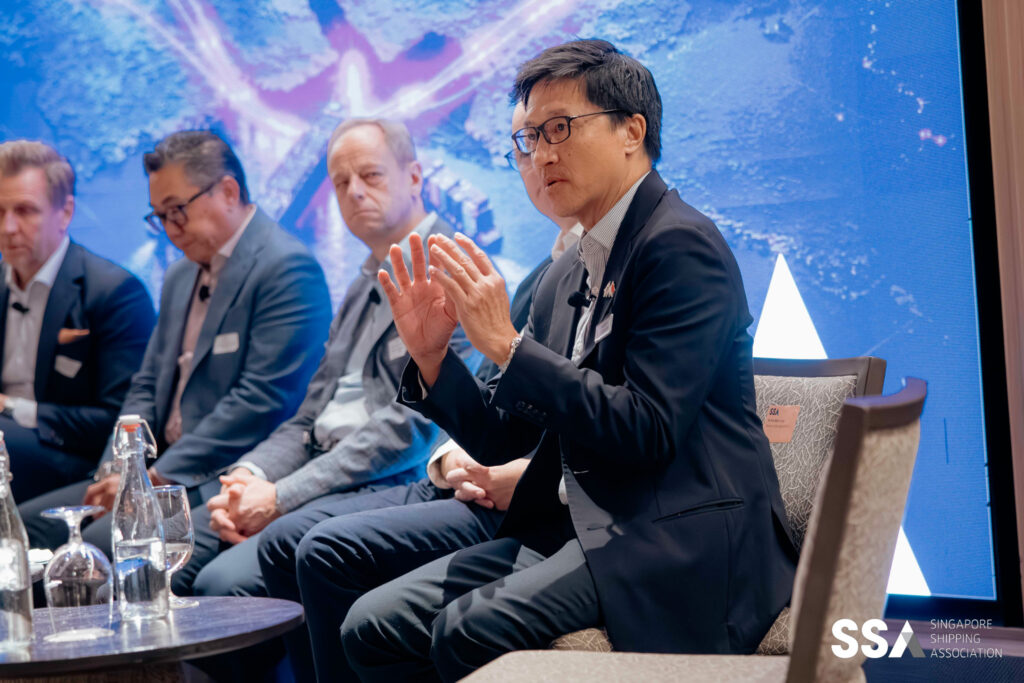
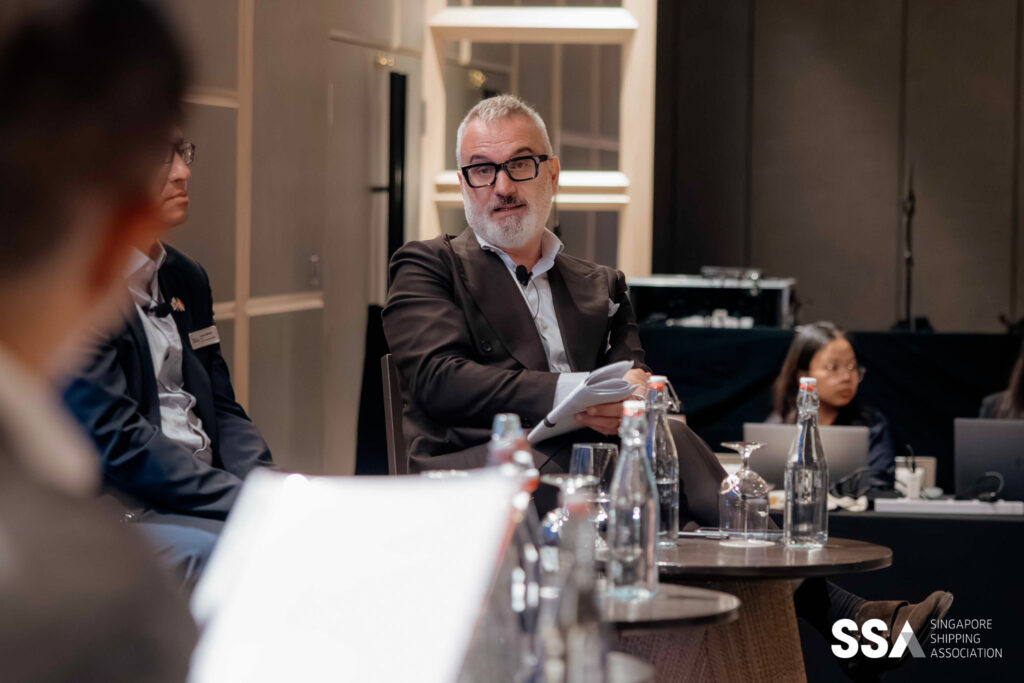
Eight panellists from energy & oil, liner, dry bulk, breakbulk, insurance and legal sectors joined Capt. Kunal on stage to share best practices. They are:
- Mr David Roberts, Head of Asia, Britannia P&I Club
- Mr Jesper Klarup, Managing Director, Fednav Singapore, and Vice President, Supramax Chartering, Fednav Limited,
- Mr Jesper Kristensen, Group CEO, Synergy Marine Group
- Mr Leong Kah Wah, Partner, Rajah & Tann Singapore LLP, and Chair, Legal & Insurance Committee, Singapore Shipping Association
- Mr Nick Potter, President & CEO, AET
- Mr SK Lim, Managing Director Pacific, G2 Ocean
- Mr Tonnie Lim, Chief Trade Officer, Pacific International Lines
- Mr Mario Moretti, Managing Director, V.Ships Asia
Safety Over Optimisation: Trade-offs and Consequences
A key theme across the discussion was the shift in priorities from operational optimisation to safety. Leaders shared that protecting seafarers and vessels has taken precedence over network efficiency or voyage completion.
Decisions are increasingly shaped by vessel location, exposure to risk zones and the feasibility of securing safe port access. In some cases, companies are working closely with terminals while seeking to minimise disruptions for customers. The audience heard that while optimisation remains important in stable circumstances, it is secondary to crew welfare and asset protection in the current volatile environment.

The First 48 Hours: Plans Put to the Test
While many organisations had a crisis response framework in place, the first 48 hours following the escalation in the Strait of Hormuz tested these plans. Unlike previous disruptions, the situation required frequent reassessment as developments unfolded unevenly and information lagged behind events on the ground.
External and unpredictable factors have driven companies towards more conservative and prudent decision‑making. The experience reinforced the importance of organisational agility: having crisis plans alone is no longer sufficient without the ability to adapt quickly.
Legal, Insurance and Commercial Pressures
Alongside operational considerations, legal and contractual issues were featured. Companies are facing increased client requests for clarity on contractual rights and provisions. This requires careful navigation to balance legal obligations and commercial relationships.
From an insurance perspective, war risk considerations and reinsurance requirements are playing a more central role in decision‑making. The discussion also explored whether more innovative insurance approaches could be considered to better address crew-related risks.
Human Impact Remains Central
Leaders highlighted the human impact of the situation. Increased risk levels have placed additional strain on seafarers and onshore teams alike. This underscored the need for clear and transparent communication, family engagement and close monitoring of seafarer well‑being.
While technology and decision support tools may assist, there was broad agreement that empathetic human judgement and experience remain critical in navigating these complex, high-risk scenarios.
Early Takeaways and Collective Resolve
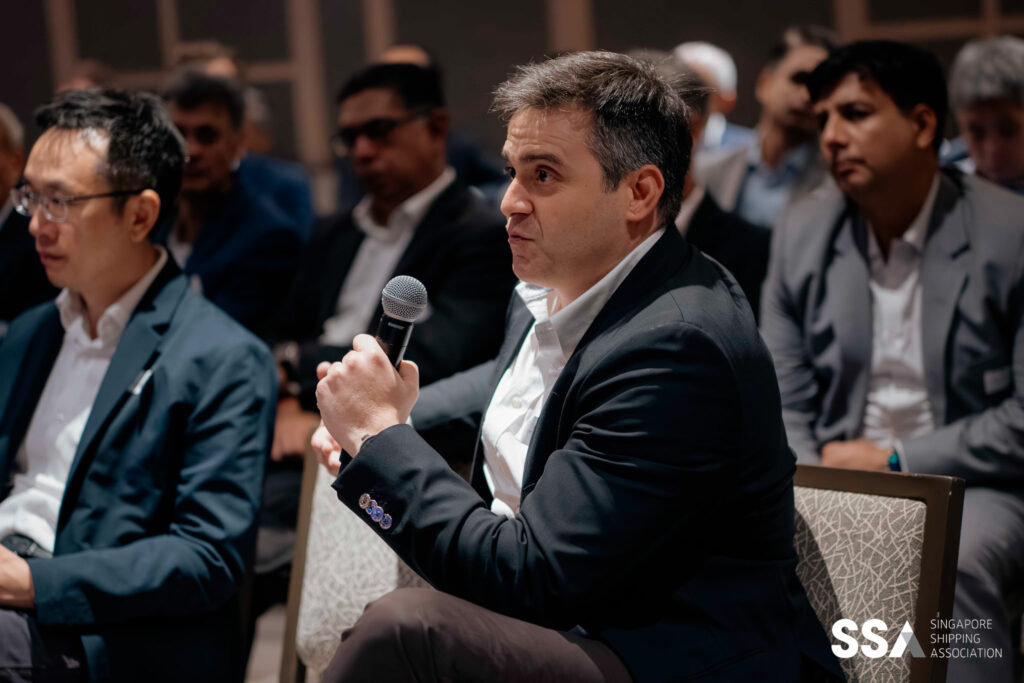
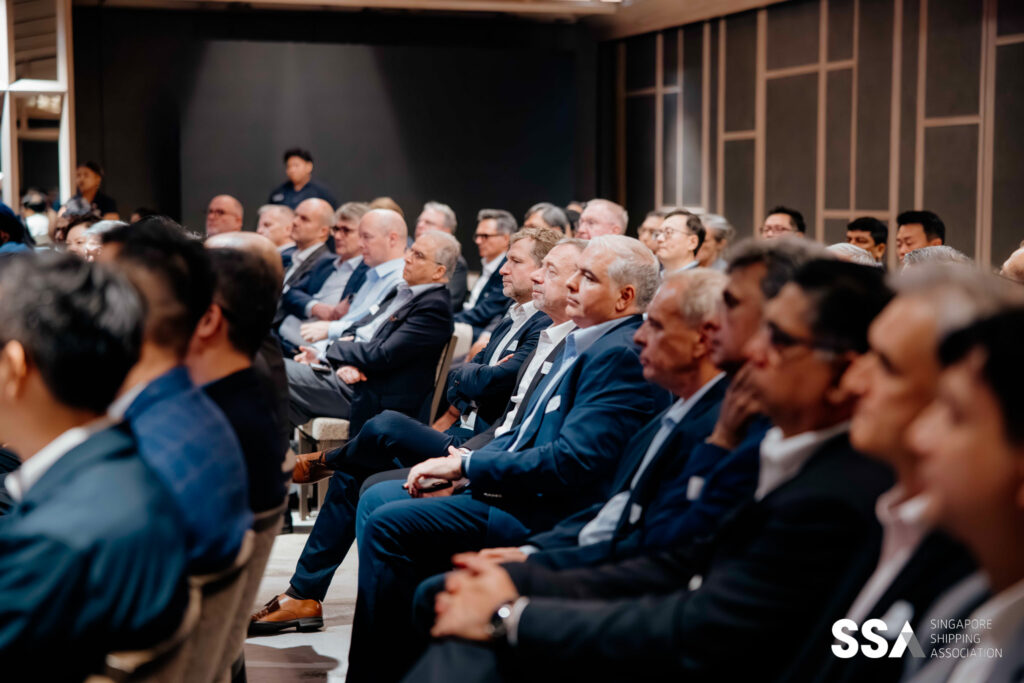
The discussion was further enriched by robust audience participation during the Q&A, reflecting strong engagement and shared concerns across the industry.
Despite the uncertainty, several positive takeaways emerged from the discussion:
- Stronger alignment across owners, managers, charterers and service providers
- Validation of crisis preparedness efforts, even as they are tested by evolving conditions
- Recognition of the value of continued industry dialogue in navigating global implications
Convened as a by-members, for-members session, the CEO Summit reinforced SSA’s role in fostering open dialogue and collective leadership for the industry.
SSA thanks all panellists and members for their candid insights and active engagement, which underscored the value of industry collaboration in navigating uncertainty.
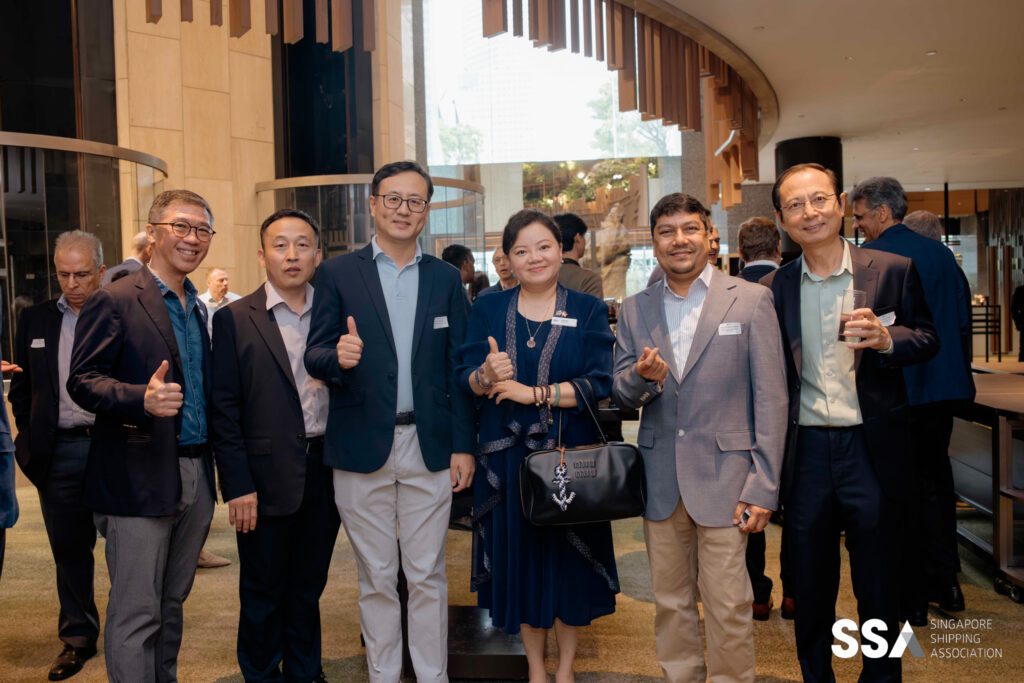
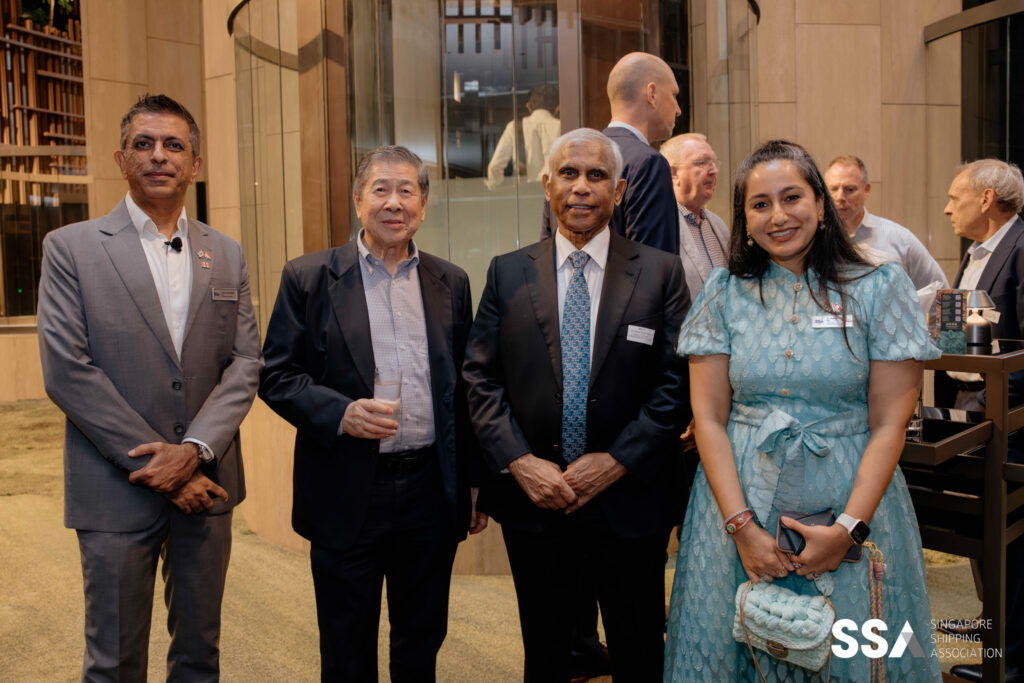
To view photos of the event, please visit SSA’s CEO Summit: Navigating the Strait of Hormuz Crisis photo album.