The Standards of Training, Certification and Watchkeeping (STCW) Convention remains the global benchmark for seafarer competency. However, the maritime industry is evolving rapidly. Companies are adapting to new technologies, sustainability requirements and changing workforce expectations.
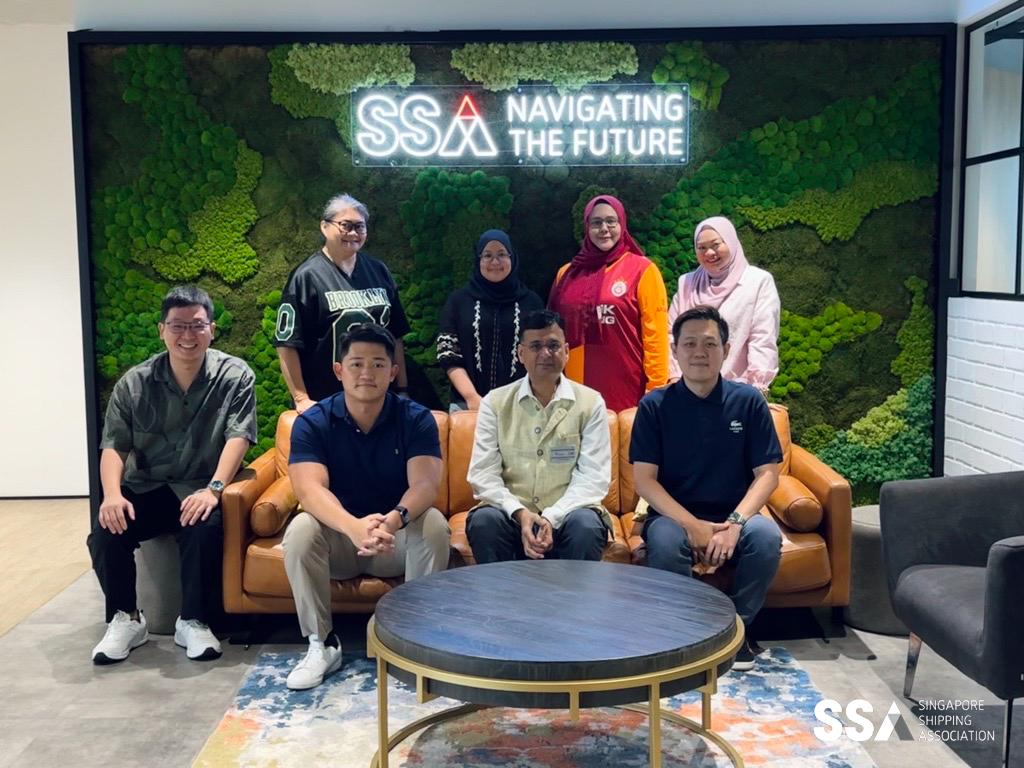
To support our sea going workforce in this transition, the Singapore Shipping Association (SSA) conducted the inaugural run of its new two-day course, “Future Maritime Skills: Equipping Your Sustainability Journey for Vessels & Shore”.
Designed for fleet managers, human resource professionals, and shore-based executives managing seafarers, the course addresses one of the industry’s key challenges: ensuring sea-shore transition strategies keep pace with the rapid transformation of the maritime sector.
Looking Beyond Traditional Competency Frameworks
Conducted by Dr Capt Vivek Jain, the course examined whether existing frameworks are keeping pace with industry change. Drawing on extensive research and industry engagement, he introduced participants to four groups of future maritime skills: Panoptic Skills, Social Intelligence, Upskilling and Reskilling, and Portable Skills.
These skills represent gaps in traditional competency frameworks that could affect the long-term sustainability of seafaring careers.
Building a Future-Ready Corp of Seafarers
As technological advancements, decarbonisation and digitalisation reshape the industry, these skills are becoming increasingly important. They help seafarers remain relevant, adaptable and ready for new opportunities. The model encourages maritime employers to look beyond technical qualifications and mandatory certifications and consider broader capabilities that support future workforce resilience.
By the end of the course, participants were equipped with practical frameworks and actionable strategies to assess workforce readiness. They also learned how to identify development priorities and proactively build teams equipped for the future.
Supporting Long-Term Industry Sustainability
The course reinforced the importance of aligning workforce planning with the rapidly changing needs of the maritime sector to ensure long-term competitiveness and sustainability.
For future runs of the course, please visit the SSA Courses Calendar to stay updated on upcoming training dates.